BLUE MONDAY, THE SADDEST DAY OF THE YEAR IS OVERCOME WITH A COMPLETELY TUSCAN METHOD
HERE ARE THE CHEFS' TIPS TO OVERCOME IT, WITH BREAD, OIL, AND WINE
Like every year, the saddest time of year is upon us, peaking on Blue Monday, which is the third Monday in January. The concept of Blue Monday originated on January 24, 2005, when British psychologist Cliff Arnall identified the saddest day of the year using a mathematical equation. The reasons for this depressing day lie in a long series of contributing factors, including unfavorable weather conditions, shorter days, the end of the holiday season, the frantic return to work, the failure of New Year's resolutions, the arrival of credit card statements from December when too much was spent, not to mention the pounds gained over the holidays.
However, it is possible to survive the most negative time of year by taking small, anxiety- and sadness-busting countermeasures, all made in Italy—or rather, made in Tuscany. This is according to three-Michelin-star chef Massimiliano Alajmo and sommelier Paolo Luciani, a face from "La Prova del Cuoco."
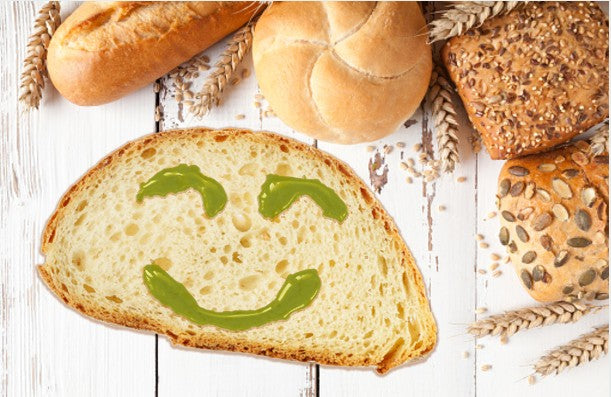
According to Chef Alajmo, the ultimate anti-sadness recipe is good "bread and oil," preferably both Tuscan. The bread should be a large loaf, so as to rediscover the pleasure of breaking it at the table and sharing it. It should all be accompanied by a drizzle of "Tuscan PGI" Extra Virgin Olive Oil, which allows one to reclaim simple, traditional flavors.
According to sommelier Luciani, to overcome this sad period, one needs to revive the tradition of the 5 p.m. snack and enjoy it with wine and cheese. "In the mid-afternoon," says Luciani, "let's replace tea—a product of Anglo-Saxon colonization—with a good wine and a good cheese, two Made in Italy heavyweights that are increasingly becoming a hedonistic choice today, a pleasure that should have more space both at the end of a meal, if offered by the glass at a restaurant, and at home as a snack. So much for a light aperitif!"